
AB Heritage Explorers Featured in The Archaeologist Magazine
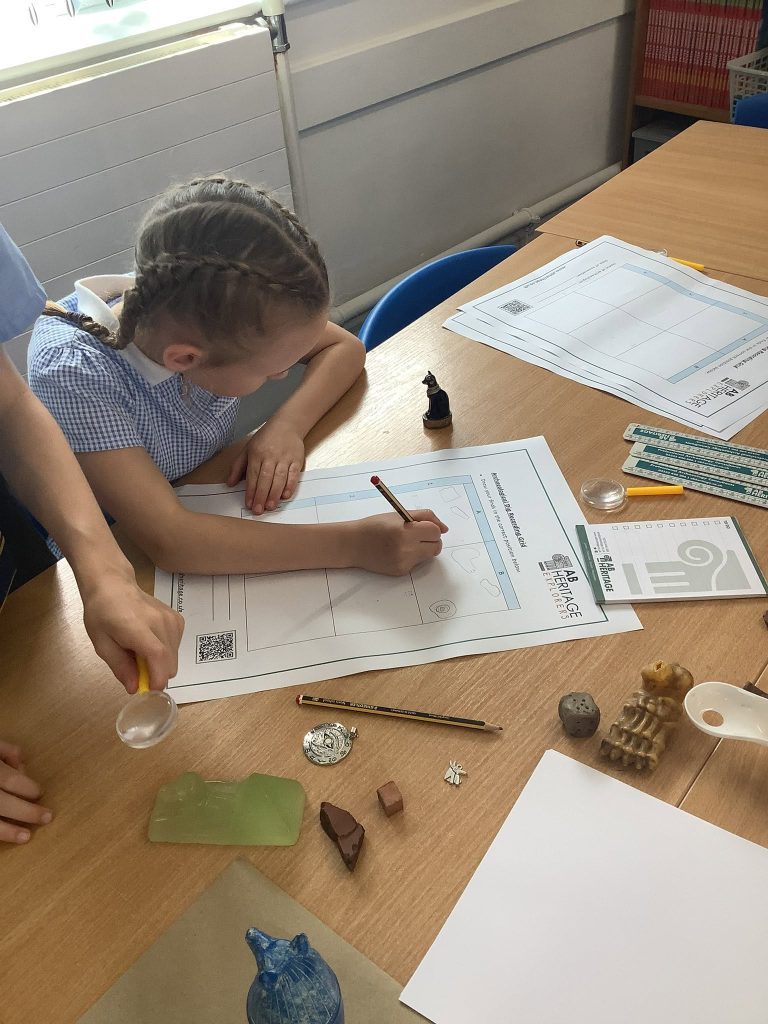
We are pleased to share that AB Heritage Explorers, our education and outreach programme, has been featured in the latest edition of The Archaeologist magazine, published by the Chartered Institute for Archaeologists (CIfA). The article, written by Laura Buckley, AB Heritage’s Outreach Manager, explores how the programme is helping bridge the gap between professional archaeology and […]
The City of Sunderland: Layers of History

A Living Collection AB Heritage has started to bring together short reflections on places we have worked. They are not exhaustive histories, but rather starting points, ways for us to share insights that have emerged through our professional engagement within particular areas. Sunderland is the first of these reflections. It is a city shaped by […]
From the Classroom to Launching AB Heritage Explorers

In 2024 Laura Buckley left teaching after 20 years to launch AB Heritage Explorers – interactive archaeology workshops for schools. Combining her passion for history with hands‑on learning, AB Heritage have already worked with over 1,000 children, inspiring curiosity, creativity, and a love of the past.
Carbon Considerations in the Historic Built Environment
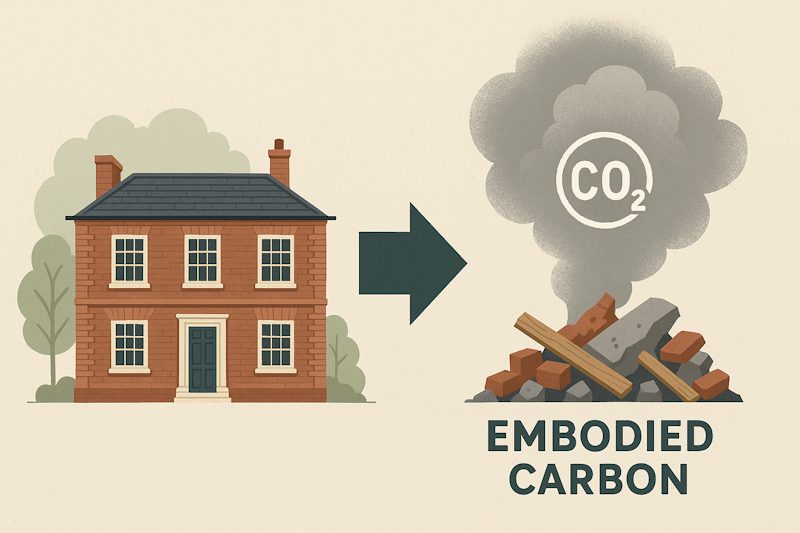
Retaining historic buildings isn’t just about preserving character — it’s a climate strategy. Demolishing and rebuilding releases embodied carbon from past construction and generates further emissions through waste and new materials. Many older structures, built with robust local materials, can be sensitively upgraded to meet high environmental standards. By retrofitting rather than replacing, we conserve both cultural value and carbon — showing that sustainability and heritage aren’t at odds, but aligned.