
Heritage Advice for Planning

AB Heritage prepares Heritage Statements to support planning applications and Listed Building Consent applications. Our heritage consultants assess the significance of historic buildings, sites and their surroundings, examine the potential effects of proposed works, and recommend ways to avoid or minimise adverse impacts.
Whether you are developing initial proposals or responding to a local authority’s request for a heritage report, we can help establish the assessment your project needs.
What Is a Heritage Statement?

A Heritage Statement establishes the history and significance of a building, site or heritage asset, including the contribution made by its setting. It then assesses how a proposed development or change could affect that significance.
The report provides evidence to inform design decisions and help the local authority assess the heritage implications of a planning application or Listed Building Consent application.
The scope and level of detail reflect the heritage significance involved, the nature of the proposed works and the requirements of the project.
What Does a Heritage Statement Include?
Depending on the site and agreed scope, our work can include:
- A site visit to understand the building or site and its surroundings.
- Research into its history and development using historic maps, photographs, archival records and other relevant sources.
- Consultation with the local authority Conservation Officer or other relevant bodies, where appropriate.
- Assessment of architectural, artistic, historic and archaeological interest.
- Review of relevant heritage planning policy and guidance.
- Consideration of how setting contributes to heritage significance.
- An impact assessment examining the effects of the proposed works.
- Recommendations to avoid, minimise or mitigate adverse impacts.
Impact Assessment
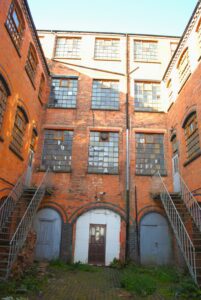
A key part of a Heritage Statement is the impact assessment. This considers the potential effects that a proposed development or change may have on known and potential heritage, including historic buildings, archaeological remains and the setting of heritage assets.
Having established the significance of the heritage involved, we assess how the proposals could affect that significance and identify opportunities to avoid, minimise or mitigate adverse impacts. This provides practical advice to inform the design and evidence to support the planning application.
Some local planning authorities use the term Heritage Impact Assessment, and clients may therefore approach us requesting a report under that name. This assessment is normally included within our Heritage Statement, rather than being a different service. We review the authority’s requirements and your proposals to ensure the report addresses the matters relevant to your project.
When is a Heritage Statement Needed?
A local authority may request a Heritage Statement to support a planning application or Listed Building Consent application involving:
- Alterations, extensions or conversion of a listed building.
- Development within a conservation area.
- Works affecting a non-designated heritage asset.
- Development affecting the setting of a heritage asset.
Early heritage advice can help identify constraints and opportunities before detailed designs are completed, reducing the risk of avoidable redesign.
Advice Before Design

Understanding heritage significance early can help your design team identify sensitive features and develop proposals that respond appropriately to the building or site.
Where useful, the assessment can be undertaken in stages. An initial Statement of Significance informs design development, followed by an impact assessment once the proposals are sufficiently defined.
This approach allows heritage considerations to inform the design while providing the assessment needed to support the eventual application.
Related Reports & Surveys

Some projects require additional assessment or recording alongside a Heritage Statement. For example:
An Archaeology Desk-Based Assessment examines known and potential archaeological remains within and around a site and considers the implications of proposed development.
An Historic Building Recording Survey documents a building’s historic fabric and development. It may inform proposals or provide a record before alterations or demolition.
Our consultants can review your proposals and the local authority’s requirements to identify the appropriate combination of work. We also provide Listed Building Advice for clients considering changes to historic properties.
Request a Quotation
To request a quotation, send us your site address, a brief description of the proposed works, any available drawings and any requirements received from the local authority. If the council has requested a heritage report, please include its wording so we can confirm the appropriate scope.
Our team will review the information and provide a quotation setting out the proposed scope and fee.
